

Foot health is so important, yet it is so often overlooked. When you experience foot pain, it affects your lifestyle in profound ways—making simple walking and general mobility incredibly difficult, if not debilitating. Furthermore, when you alter your gait pattern to compensate for the pain, it can cause a chain reaction of misalignment and damage further up the kinetic chain, particularly in your lower limbs.
A lot of ankle, knee, hip, and even lower back pain actually stems from the feet. This is usually due to an injury, poor foot mechanics, or chronic overuse without the necessary strength and stretching to support your body's weight.
The Anatomy of the Plantar Fascia
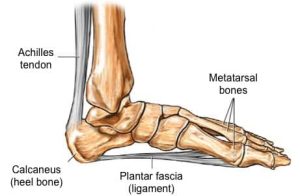
The plantar fascia is a large, thick, fibrous band of connective tissue on the sole of the foot. It originates at the heel bone (calcaneus) and extends across the arch to attach to the base of the toes, acting as a natural shock absorber.
Risk Factors for Foot Strain
Several everyday factors can overload this tissue:
- Inadequate Footwear: Shoes with a narrow toe box that squeeze the toes together.
- Poor Biomechanics: Restricted ankle mobility or structural misalignment.
- Abnormal Weight Distribution: Often caused by compensating for a separate injury.
- Overuse Without Strength: Subjecting the feet to high impact without building the intrinsic foot muscles to support the fascia.
- Weight Gain or Metabolic Disorders: Increased load or systemic inflammation can aggravate the tissue.
Plantar Fasciitis vs. Plantar Fasciosis: What’s the Difference?
For decades, any pain under the heel was labelled Plantar Fasciitis. However, the suffix "-itis" implies acute inflammation. Modern clinical research shows that for the vast majority of chronic sufferers, this is inaccurate. The condition is actually Plantar Fasciosis—a chronic, degenerative process characterized by disorganized collagen fibres, tissue thickening, and a distinct absence of active inflammatory cells.
Medical consensus suggests these are essentially two stages of the same condition:
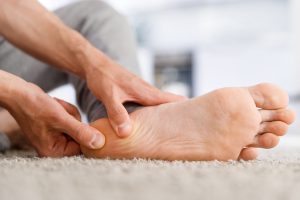
- Plantar Fasciitis (Acute Stage): This is the sudden, acute swelling of the ligament. The pain is typically felt right in front of the heel bone on the bottom of the foot, characteristically after a period of rest (such as taking your first steps when waking up in the morning or standing up after sitting for a long time).
- Plantar Fasciosis (Chronic Stage): This is the long-term deterioration, micro-tearing, and localized cell death of the tissue without significant inflammation. It is caused by repetitive stress, poor blood supply, or long-standing, improperly treated fasciitis.
The Blood Flow Issue: Rethinking Conventional Treatments
In 2003, a study led by Dr. Harvey Lemont, DPM [1], confirmed that chronic cases showed no inflammatory cause or involvement. Instead, the true culprit behind the pain is a lack of consistent blood flow to the plantar fascia.
Conventional, narrow-toed footwear and modern running shoes compress and elevate the big toe. This specific compression physically restricts and shunts the blood flow traveling through the artery to the sole of the foot. Furthermore, when the foot is constantly encased and artificially supported by rigid shoes, the intrinsic muscles weakness. Rather than being "too tight," the plantar fascia is chronically over-extended and strained under impact. It doesn't need to be stretched tighter; it needs to be allowed to relax.
Because of this, treating plantar fasciosis with methods that assume active inflammation—such as ice or aggressive stretching can sometimes prolong the injury. These passive methods place further strain on an already over-extended fascia and fail to address the root cause: blood circulation and muscle weakness.
The Role of Therapeutic Reflexology and Holistic Care
The primary aim of Therapeutic Reflexology is not to medically diagnose or cure isolated foot pathologies. However, as registered professionals, we are highly trained to understand lower limb biomechanics and support foot health within our scope of practice.
In my practice, I see many frustrated patients seeking relief from chronic foot pain that has failed to respond to standard treatments. The specialised massage and pressure-point techniques of therapeutic reflexology are incredibly useful for stimulating local blood circulation, breaking down tension, and encouraging tissue healing.
However, passive therapy is only half the battle. To achieve long-term relief, targeted home exercises focusing on intrinsic foot strengthening and ankle mobility are absolutely vital.
Which other healthcare providers would be able to assist you in treating plantar fasciitis/fasciosis?
If you are struggling with persistent foot pain, a collaborative approach is often best. Other healthcare providers who can assist you include:
- Podiatrists: For structural assessment and gait analysis.
- Biokineticists / Physiotherapists: For targeted physical rehabilitation, gait correction, and strengthening protocols.
- Therapeutic Massage Therapists: To release secondary tension in the calves and lower limbs.
- Chiropractors / Osteopaths: To address joint misalignments in the ankles, knees, or hips contributing to poor weight distribution.
A Golden Rule for Recovery: Ensure that the healthcare provider you choose is assessing your body, and that your treatment plan is active rather than entirely passive. While passive tools like orthotics or foot inserts can offer short-term relief, long-term healing requires you to actively strengthen and mobilise your feet.
References
- Lemont, H., Ammirati, K.M. and Usen, N., 2003. Plantar fasciitis: a degenerative process (fasciosis) without inflammation. Journal of the American Podiatric Medical Association, 93(3), pp.234-237.
- Harvey, M., 2003. The effects of Hallux Valgus and toe compression on the posterior tibial artery. Podiatric Biomechanics Review.
- Toes, C., 2021. Plantar Fasciosis vs. Plantar Fasciitis: Understanding Tissue Degeneration and Footwear Design. [online] Available at: https://correcttoes.com/pages/plantar-fasocis (Accessed June 2026).
- BIMPT NYC, 2024. Why Active Rehabilitation Beats Passive Splinting in Plantar Fasciosis. Brooklyn Integrative Medicine & Physical Therapy Review. [online] Available at: https://bimptnyc.com/plantar-fasciosis-or-plantar-fasciitis/ (Accessed June 2026).