
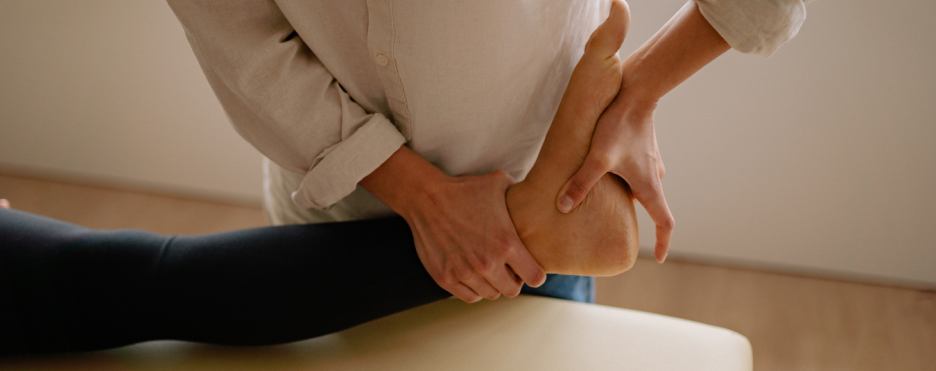
Over the past few years, the landscape of healthcare has been shifting even further toward an integrative approach. But how exactly does therapeutic reflexology fit into the healthcare system? Is it purely just a relaxation technique, or can it facilitate the healing process in a more impactful way?
Therapeutic Reflexology in clinical applications
While Reflexology is widely understood for its ability to induce deep relaxation and combat stress, its clinical applications are often overlooked. Historically, a lack of large-scale funding for clinical trials limited the "scientific evidence" available. However, recent years have seen a surge in interest and documented case studies regarding neurological conditions, including stroke recovery and traumatic brain injuries (TBI).
The conversation is changing. We are seeing more medical doctors and therapists in the Western world—especially those familiar with integrative oncology and neurology—referring patients to therapeutic reflexologists as part of a multi-disciplinary team.
The Science of the Map
At its core, Therapeutic Reflexology is built on a sophisticated understanding of anatomy and physiology. Eunice Ingham, the ‘Mother of Reflexology’, was a physiotherapist who spent years developing the foot reflexology map still used in reflexology today.
By working on specific reflex points on the feet that correspond to the body's systems, we aim to influence physiological changes. In a rehabilitative context, this is about supporting the nervous system, improving circulation to affected areas, and encouraging the body's innate ability to heal and reorganise (neuroplasticity).
Timing and Consistency are Key
For those recovering from neurological and physical trauma, two factors are critical:
- Early Intervention: The sooner treatment begins after a stable diagnosis, the more effectively we can support the recovery window.
- Frequency: Rehabilitation is not a one-off event. Most reflexologists now offer tailored treatment plans and package pricing to ensure that the cost of care doesn't become a barrier to the frequency required for real change.
The Energetic & Psychological Connection
In a clinical context, the patient's "vital energy" can be understood as their physiological resilience and autonomic capacity. Reflexology serves as a form of neuromodulation; by stimulating peripheral nerve endings in the feet, we trigger a response in the central nervous system that helps transition the body from a sympathetic (stress/fight-or-flight) state into a parasympathetic (rest-and-repair) state. This shift is essential for cellular regeneration and metabolic recovery.
Furthermore, from a psychological perspective, the "will to recover" is supported by the benefits of therapeutic touch and actually feeling improvements and changes after sessions. Consistent treatment can reduce the cortisol levels that typically inhibit recovery, thereby improving the patient's cognitive outlook and physical engagement with their broader rehabilitation program.
On a psychological level, the "will to recover" is a massive factor; by providing a safe, supportive touch, we help shift the patient from a state of "survival" into a state of "healing."
Transparency in Care
As professional therapists, it is important that we are transparent about the treatment plan. In some instances, we may need to refer out to or collaborate with other therapists and practitioners. Patients (or their families) have the right to understand the "prognosis"—what we hope to achieve and how we will measure progress. This collaborative relationship between therapist and patient is where the most profound recovery happens.
From the patient’s side, it is also important to give us as much in information as possible. The more details we have, the better we can create a treatment strategy to work with and understand what outcomes to expect and measure.
Therapeutic Reflexology in the South African Context
South Africa remains a global leader in the professionalisation of Reflexology. Our field is no longer just "complementary"; it is a recognised profession with:
- AHPCSA Registration: Ensuring therapists meet strict educational and ethical standards.
- Medical Aid Recognition: Some South African medical schemes now provide medical codes for Therapeutic Reflexology, validating its value as a legitimate health service.
Where to Find Support
If you or a loved one is on a rehabilitation journey, know that reflexologists can often provide treatments in hospitals or at your home.
To find a registered therapist near you, visit:
- AHPCSA: www.ahpcsa.co.za
- TNRA: www.tnra.co.za
Resources & Research for Further Reading:
- Reflexology and Stroke Recovery: Reflexology Research Project
- Clinical Perspectives: Kunz & Kunz - Video Case Studies on Stroke Recovery.
- The Allied Health Professions Council of South Africa: Stay updated on local case studies and legislative progress via www.ahpcsa.co.za